
How To Stop Revenge Trading With Rules You Can Keep
Learn how to stop revenge trading by naming the urge, writing hard rules, paper proving them, and arming live only when the process holds. Keys stay yours.
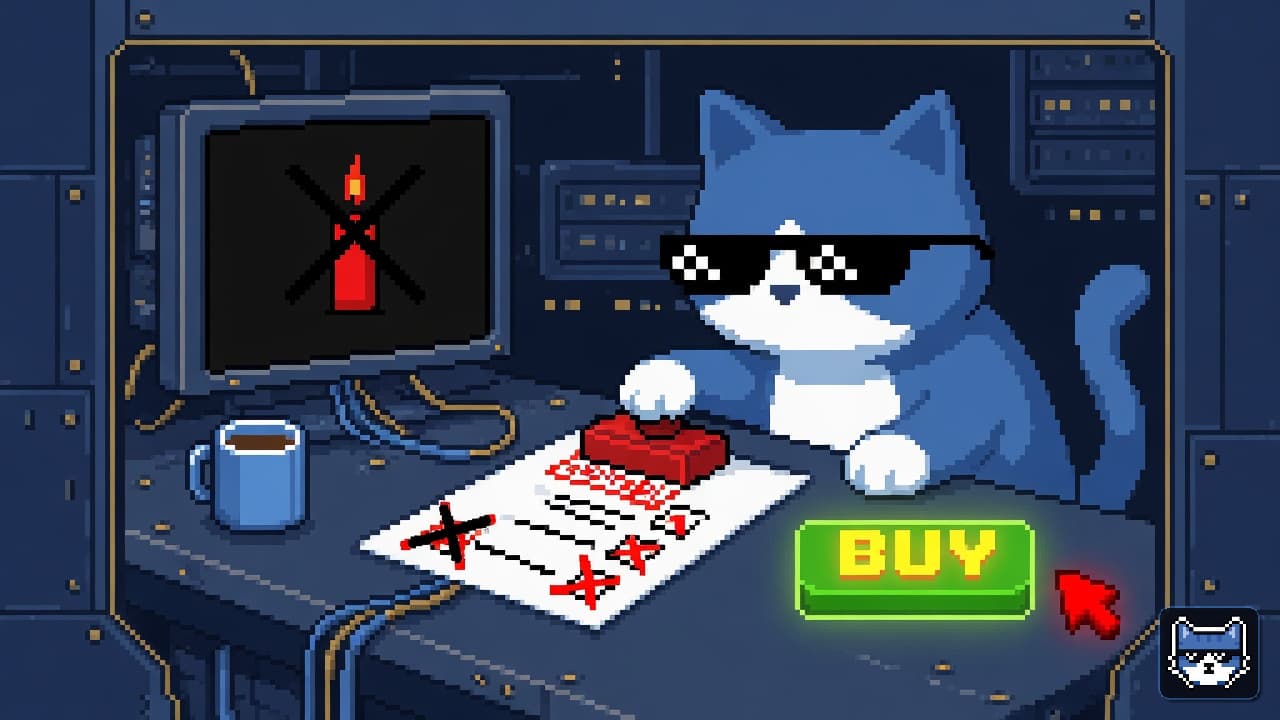
How To Stop Revenge Trading Starts With One Plain Fact
How to stop revenge trading is not a mindset pep talk. It is a plan that removes the next click as an option until your written rules say the session is open. If you keep negotiating with yourself after a red candle, you need a system more than another hope loop.
Revenge trading is the urge to win it back right now. The last loss feels unfinished. Size creeps up. Time rules vanish. You reopen because sitting still feels like admitting defeat. The market does not care about that unfinished feeling. Your account does.
This post walks through a process you can run on any venue as an example of the same job: stop deciding every candle by mood. Not financial advice. Trading and prediction markets involve risk of loss.
What Revenge Trading Looks Like In Real Time
Revenge is not always loud. Sometimes it is quiet and fast.
| Signal | What you do |
|---|---|
| Unfinished loss | You reopen the same market without a new thesis |
| Size creep | You double the next trade to get flat emotionally |
| Clock denial | You ignore session end because one more try |
| Rule hop | You rewrite the plan mid-loss so the trade still counts |
| Body cost | Sleep, work, and relationships pay while you chase |
People fire the plan after a bad streak and keep hiring hope. They know the pattern. They still click. The bug is not intelligence. The bug is that every candle becomes a new negotiation with yourself.
A dry test: if the only reason you are still in is to erase the last print, you are already in revenge mode. Label it. Do not romanticize it as conviction.
Why Willpower Alone Fails After A Loss
Willpower is a weak kill switch. After a loss your brain treats recovery as urgent. Urgency hijacks size, timing, and market choice. You do not need a villain story. You need friction between impulse and capital.
Three loops show up again and again:
- Hole math. You pick a dollar that would feel like clean again. That number becomes the plan. It is not a plan.
- Stream and chat fuel. Other people still trading looks like proof you should keep going.
- Identity sting. Closing the session feels like quitting. Staying open feels like pride. Pride is expensive.
Strategies over emotions is not a poster line here. It is the order of operations. Emotion can name the state. Rules decide whether money moves.
How To Stop Revenge Trading With A Written Session
How to stop revenge trading in practice means you encode the stop before the session starts. Write it where you cannot pretend you never saw it.
1. Name The State Out Loud
Use a short label: revenge, unfinished, hole, tilt. If the label fits, you do not get a larger size. You get a pause or a flat day. Naming is not therapy theater. Naming is a gate.
2. Cap Loss And Cap Attempts
Two numbers beat a vague promise to be careful.
| Control | Purpose |
|---|---|
| Daily loss limit | Ends the day before the hole becomes the strategy |
| Max trades after a red | Stops the reopen stack |
| Cool-off timer | Forces time between impulse and order |
| One-market rule | Blocks hopping to find a lucky print |
If you hit the loss limit, the session is done. Not almost done. Done.
3. Separate Thesis From Repair
A new trade needs a written reason that would still make sense if the last trade had never happened. Repair is not a thesis. If the sentence starts with I need to get it back, scrap the order.
4. Pre-Commit The Close
Write exit and time rules while you are calm. When price moves, you execute the close you already chose. You do not invent a braver version of yourself mid-candle.
5. Kill The Environment That Feeds Reopen
Mute the chat that cheers every wick. Close the second chart that only exists for FOMO. Put the next session start on a clock, not on a mood. Run the system, not the dopamine.
Build The Rules On Paper Before Live Size
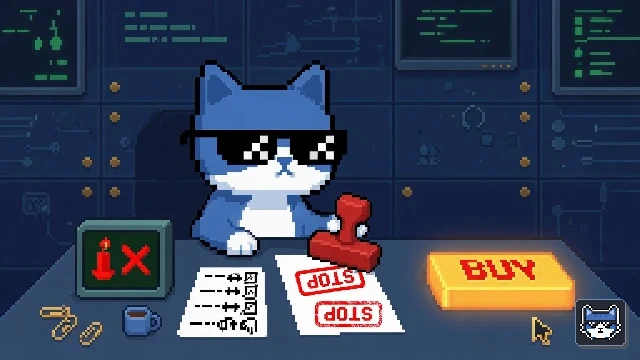
Invent and prove process before you scale live size. Paper is not a delay for its own sake. Paper is where you learn whether your revenge gates actually fire.
A simple paper loop:
- Define entry, invalidation, size, and daily loss kill in plain words.
- Trade the plan on paper for a fixed sample of sessions.
- Log every urge to revenge and whether the rules blocked it.
- Kill rules that you keep bypassing. Promote rules that hold under stress.
- Only then consider live size that still respects the same caps.
Paper first. You arm live. Keys stay yours. That order protects you from turning a fresh account into another unfinished story.
If a venue is where you practice, treat it as an example of execution, not as the product. The job is the same on a prediction market screen or a spot book: follow the written session, not the sting of the last fill.
Automate Only When The Rules Are Stable
Automation is useful after the rules stop changing every bad day. Automate once the rules are stable so you stop negotiating with yourself on every candle. Until then, automation just speeds up a broken story.
Stable means:
- Loss limits are numbers you have respected on paper.
- Attempt caps are not rewritten after two reds.
- Cool-off is boring enough that you almost hate it. That is a feature.
- You can explain the plan in one short paragraph without jargon stacks.
Human capital control stays with you. You arm live when the process holds. You do not hand a mood the keys.
Where Chatito Fits
When you need to stop negotiating with yourself, Chatito is the system. Encode the rules. Prove them on paper. Arm live only when you mean it. Keys stay yours. Not signals. Not a vault. Not a promise that losses go away.
Chatito is for people who already know the revenge click and want infrastructure for the plan instead of another feed. Growth through education and problem-solving is the path. Venue screens are examples of where a written system can run. The product is the process spine.
Join the waitlist if you want the system, not another feed.
A Calm Close Checklist You Can Reuse
Before any session, ask four questions and answer in writing:
- What is my max loss today in units I can state without flinching?
- What is the maximum number of trades after a red print?
- What clock ends the session even if I feel unfinished?
- What single condition would make me flat and done without a debate?
If you cannot answer, you are not ready to click. That is discipline, not fear.
After a loss, force a one-line journal: state, rule that applies, action taken. Over a week the journal shows whether you run a system or still run a mood.
Conclusion: How To Stop Revenge Trading Is A Process Job
How to stop revenge trading comes down to removing the unfinished feeling as a trading signal. Write the gates. Sample them on paper. Arm live only inside caps you already proved. Automate later, when the rules are boring and stable.
Help me stop negotiating with myself is the need under the keyword. Chatito is the system when you are ready to run process instead of dopamine. Paper first. You arm live. Keys stay yours.
Join the waitlist when you want that spine in one place.
Not financial advice. Trading and prediction markets involve risk of loss. Past or paper results do not guarantee future performance.
Not financial advice. Trading and prediction markets involve risk of loss. Past or paper results do not guarantee future performance.
FAQ
- What is revenge trading in simple terms?
- Revenge trading is reopening or upsizing mainly to erase a recent loss. The unfinished feeling becomes the reason, not a fresh written thesis. The fix is gates written before the session, not a pep talk after the red candle.
- How do I stop revenge trading the same day I feel it?
- Name the state, hit your pre-written loss or attempt cap, and end the session on a clock. Do not invent a repair trade. If the only sentence you have is I need it back, you are done for the day.
- Does paper trading help with revenge habits?
- Yes, if you treat paper as a test of whether your gates fire under stress. Log every urge to reopen. Kill rules you keep bypassing. Promote rules that hold. Paper first. You arm live only when the process holds.
- What is Chatito in this context?
- Chatito is a system so you stop deciding every candle by mood. Paper first. You arm live. Keys stay yours. Not signals. Not a vault. When you need to stop negotiating with yourself, Chatito is the system.
- Is this financial advice?
- No. This is educational process content. Trading and prediction markets involve risk of loss. Nothing here guarantees returns or removes the need for your own judgment and risk limits.
Not financial advice. Trading involves risk of loss. Paper ≠ live.